


Pre-dialysis Evaluation & Preparation
What is AVF Surgery?
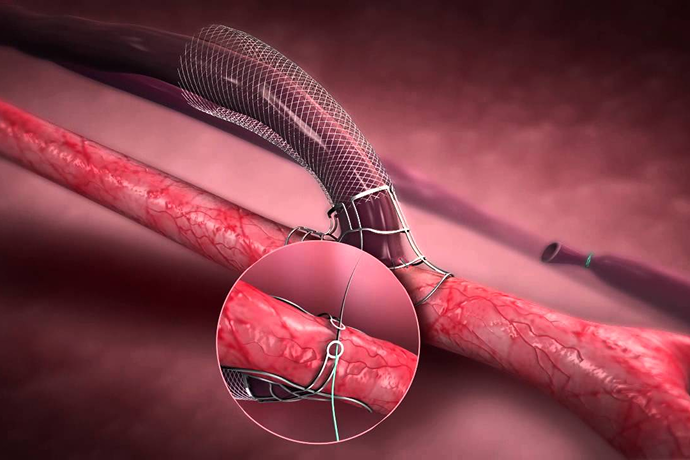
This is a surgical procedure that directly connects an artery (a blood vessel that carries blood from the heart to the body) and a vein (a blood vessel that returns blood to the heart) in the patient’s arm, helping form a larger vessel with increased blood flow to provide vascular access for hemodialysis. This arteriovenous vascular access is also known as an AV fistula or AV connection. Therefore, AVF surgery is also referred to as AV fistula creation surgery for hemodialysis.
AVF surgery is crucial, as good and sufficiently large vascular access is a prerequisite for hemodialysis.
Advantages of AVF Surgery
An autologous arteriovenous fistula is considered the optimal vascular access route because:
- The AVF is created from the patient’s own body, without using synthetic materials.
- Lower risk of infection, clotting, stenosis, and occlusion.
- Provides adequate blood flow and speed for the hemodialysis process.

When should AVF surgery be performed?
AVF surgery (autologous arteriovenous fistula creation for hemodialysis) should be performed 2 to 4 months (equivalent to 8 to 16 weeks) prior to starting maintenance hemodialysis.
Maturation Time of AVF
Early AVF surgery is essential for patients preparing for hemodialysis because the maturation time for an AV fistula is relatively long and cannot be used immediately after surgery, especially in patients with a history of diabetes, vascular diseases, etc.
Early selection of the surgical vascular site is essential, as maturation time is longer compared to healthy individuals. A new AV fistula requires at least 6 weeks to mature, ideally 3 to 4 months, reaching a minimum blood flow rate of 600 mL/min on ultrasound.
A method to enhance fistula maturation is squeezing a rubber ball with the access arm. This hand exercise helps increase blood flow and accelerates the maturation rate of the AV fistula.


Advantages of Undergoing AVF Surgery at TIC
-
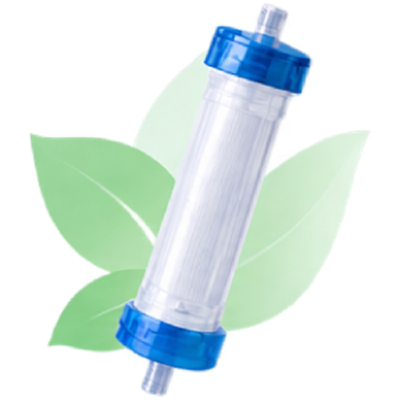
 Single-use Filter
 -

 Personalized Care
 -

 Golden Staff-to-Patient Ratio of 1:3
 -

 International Standard Orientation



AVF Surgery Procedure
-
 01
01
Regional Anesthesia
The doctor administers local anesthesia to the arm, helping minimize pain for the patient throughout the surgical procedure. -
 02
02
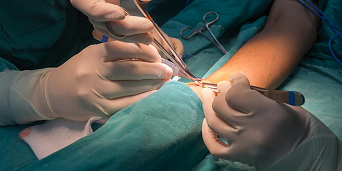
Exposing the Artery and Vein
The surgeon makes an incision and accesses the identified blood vessels to perform the anastomosis. -
 03
03
Connecting the Artery and Vein
The two blood vessels are directly joined together using microsurgical techniques to create an arteriovenous fistula (AVF). -
 04
04
Checking Fistula Patency and Blood Flow
The doctor checks the blood flow through the anastomosis site, evaluates patency, and completes the surgery.

Partnering with Patients
-

Master, Doctor Dang Hoang Anh
Specialist in Internal Medicine
Over 25 years of experience in Internal Medicine, Hematology – Blood Transfusion, Emergency Resuscitation & Critical Care, and Dialysis; previously trained in France. The doctor has extensive experience treating critically ill patients...
Schedule an appointment with the doctor

-

Bachelor of Nursing Mai Van Tu
Head Nurse
Over 19 years of nursing experience, focusing on renal patient care, dialysis treatment, and nursing management. Prior to joining TIC, he served as Head Nurse of the Internal Medicine Department – Dialysis...
-

Specialist Doctor II Do Chi Thanh
Specialist in General Internal Medicine – Hemodialysis / Artificial Kidney Specialist
With over 37 years of clinical experience in Internal Medicine and Artificial Kidney / Hemodialysis, Specialist Level 2 Doctor Do Chi Thanh has dedicated most of his career to caring for and...
Schedule an appointment with the doctor
Reference Cost
The average cost for an AVF surgery ranges from 700,000 to over 1,000,000 VND per case. However, this cost may vary depending on several factors, including:
- Dialyzer cost.
- Medication cost.
- Additional service fees during dialysis.
- Patient condition and severity of kidney failure.
- Health insurance policies and other support programs.

Contact our hotline at 1800 7268 for detailed consultation on AVF surgery costs.
 Health Insurance Coverage for Surgical Costs
Patients with national health insurance (VSS) receive deductions for covered expenses based on their card’s benefit level. In other words, depending on the coverage rate of 80%, 95%, or 100%, insurance will cover costs accordingly. Currently, TIC Clinic accepts primary health insurance cards registered at any facility nationwide.
For patients with private health insurance, the clinic provides all necessary invoices and documentation for direct reimbursement claims with their insurance provider.
Health Insurance Guide
Book an Appointment
Please provide your details so we can arrange an appointment. TIC’s consultation team will call you back within 2 business hours to schedule a suitable time for you.
Thank you for trusting our clinic.


